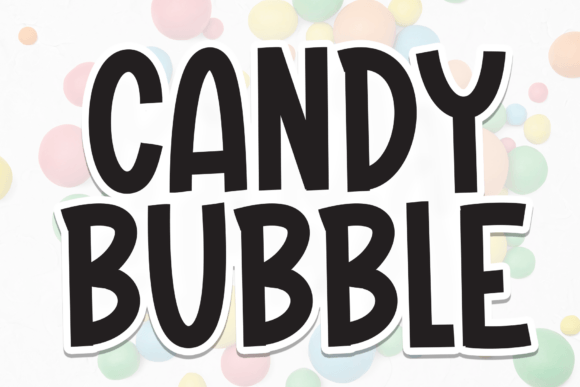
Candy Bubble Font for a Playful Brand Boost
It all started with a simple task: updating our bakery's packaging labels. I had spent weeks tweaking the design, but nothing felt quite right until I stumbled across Candy Bubble. The moment I saw it, I knew we had found something special — a bold display font that brought the same joy and cheer to our brand as our cupcakes do to our customers.
Candy Bubble for Bakery Packaging and Brand Consistency
When you run a small business like a local bakery, every detail matters. Our products are already full of flavor and fun, so why shouldn’t our branding reflect that? Candy Bubble, with its rounded letters and lively style, helped us create packaging that felt inviting from the first glance. It’s not just a font; it’s a way to visually communicate our personality without saying a word.
We used it on our cupcake boxes, gift tags, and even in our Instagram captions. Suddenly, everything looked more cohesive. Customers commented how our designs made them smile before they even opened the box. That’s the power of typography — when done right, it speaks volumes.
Candy Bubble in Café Menus and Poster Design
A few months later, my cousin who owns a cozy café reached out for help. Her menu was functional, but she wanted it to feel more welcoming and vibrant. We tested several fonts but kept coming back to Candy Bubble. Its playful energy matched her café’s warm atmosphere perfectly.
We applied it to her breakfast menu headings and redesigned her promotional posters. The result was eye-catching and easy to read. People noticed the change immediately — especially the kids! She now uses it for seasonal offers and social media posts too, giving her entire brand a consistent and cheerful look.
Why Display Fonts Like Candy Bubble Work Well for Menus
- High contrast: Makes text pop against background colors or images.
- Clear hierarchy: Helps highlight prices, titles, and featured items.
- Happy vibe: Conveys comfort and delight, perfect for food-related businesses.
Candy Bubble for Skincare Labels and Product Titles
I also worked with a friend launching a natural skincare line. She wanted her product labels to feel soft and approachable but still stand out on store shelves. After trying a few options, Candy Bubble became the star of her design toolkit.
The bubbly style added a touch of whimsy without being too childish. It worked well for product names and short taglines. When paired with a clean sans serif for supporting text, it created a balance between creativity and clarity. Her packaging now feels like a treat — exactly what her products are meant to be.
How to Use Display Fonts on Small Labels
Using a bold font like Candy Bubble on small labels requires some care. Here’s what we did:
- Keep it short: Only use it for product names or key phrases.
- Choose the right weight: Look for bolder styles if the label is tiny.
- Test on real materials: Print mockups to see how it looks at scale.
Candy Bubble for Online Shop Banners and Social Media Graphics
As an online shop owner myself, I know how important it is to grab attention quickly. Whether it’s a website banner or a Facebook ad, your visuals need to speak instantly. Candy Bubble has been a game-changer for me in this space.
Its bold curves make headlines stand out, especially when paired with bright colors or illustrations. On mobile screens, it remains legible while still feeling fun and engaging. I’ve used it for holiday promotions, new product announcements, and even customer thank-you notes — each time enhancing the visual appeal and reinforcing our brand’s friendly tone.
Font Pairing Tips for Web and Social Media
To keep things looking professional, we pair Candy Bubble with minimalist sans serif fonts for body text. This combo adds contrast without clashing. For example:
- Candy Bubble (headline) + Montserrat (description)
- Candy Bubble (title) + Open Sans (supporting info)
- Candy Bubble (call to action) + Lato (product details)
This strategy works especially well for digital ads where the headline needs to stop scrolling thumbs in their tracks.
Candy Bubble for Thank-You Cards and Merchandise Stickers
Small gestures matter. A hand-designed thank-you card can leave a lasting impression. That’s why I chose Candy Bubble for our customer appreciation cards. The font made the message feel personal and heartfelt, yet still modern and stylish.
We also printed custom stickers using Candy Bubble for free gifts and sample bags. They didn’t just add flair — they acted as mini brand ambassadors. People stuck them on laptops, notebooks, and even water bottles, helping spread awareness organically.
Readability on Printed Materials
While Candy Bubble is great for visual impact, it’s essential to ensure it reads clearly when printed. Here’s how we handled it:
- Used high-quality paper stock to avoid ink bleed.
- Maintained a minimum font size of 8pt for readability.
- Tested different color combinations to find the most legible options.
Candy Bubble for Boutique Store Signage and Flyers
Another friend runs a boutique clothing store and needed fresh signage for her grand reopening. She wanted to avoid looking generic and instead convey a sense of charm and uniqueness. Candy Bubble gave her that spark.
Applied to window signs, price tags, and event flyers, the font helped draw in foot traffic and create a memorable shopping experience. Its boldness made it visible from a distance, and its playful nature invited people to explore further.
Creating Visual Consistency with One Font
Consistency builds trust. By using Candy Bubble across all her print materials, she established a strong visual identity. From in-store displays to email newsletters, the same typeface appeared again and again — subtly reminding customers of the brand each time.
Candy Bubble for Handmade Product Mockups and Digital Ads
Handmade sellers often rely on beautiful photos and graphics to showcase their work. As someone who sells hand-poured candles online, I learned how much better my mockups looked after switching to Candy Bubble.
It added a sense of joy and creativity to my candle jar labels and packaging. When creating digital ads for Etsy, the font caught attention without being overwhelming. Plus, it looked amazing on thumbnails, which are crucial for driving clicks on platforms like Pinterest and Instagram.
Choosing the Right Style for Your Audience
Before finalizing any project, I always check the font file for variations. With Candy Bubble, there are several weights and alternates to choose from. This flexibility lets me tailor the look to different audiences — whether it’s a child-friendly birthday flyer or a chic wedding invitation suite.
Candy Bubble for Brand Identity and Logo Design
Logos are the heart of brand identity. They appear everywhere — websites, business cards, invoices, and storefronts. Finding the right font is vital. While Candy Bubble isn’t ideal for long paragraphs, it shines in logos and short brand statements.
One of my clients designed a logo using Candy Bubble for their children’s toy line. The font’s playful curves matched their brand perfectly. Now, it appears consistently on their packaging, website banners, and social media headers, making their brand instantly recognizable.
Commercial Font Licensing and Brand Safety
When choosing any font for commercial use, it’s important to verify licensing terms. Candy Bubble allows for both personal and commercial use, so we could confidently apply it to our client’s merchandise, web templates, and printed materials. Always double-check included formats, such as OTF or TTF, and confirm multilingual support if needed.
Candy Bubble for Creative Typography in Editorial Design
Even editorial content benefits from good typography. I once helped a lifestyle blog redesign their newsletter headers and section titles. They were tired of using the same old fonts and wanted something fresh. Candy Bubble brought a creative edge to their layout.
Though it wasn’t suitable for body copy, it worked wonders for headlines and pull quotes. Readers responded positively to the shift in tone — it felt more approachable and less formal. This subtle change helped increase engagement and shares across their audience.
Where Not to Use Candy Bubble
Despite its charm, Candy Bubble is best reserved for display purposes. Avoid using it in long paragraphs or anything requiring heavy reading. Instead, save it for:
- Logo titles
- Menu headers
- Social media highlights
- Product packaging accents
- Poster titles and callouts
Candy Bubble for Digital Creatives and Hobbyists
If you’re a hobbyist or independent designer, Candy Bubble can become one of your go-to tools. I’ve used it in greeting cards, digital planners, and printable art calendars. Each time, it added a layer of fun and professionalism that elevated the overall look.
Its versatility makes it perfect for those who want to maintain a casual, handmade aesthetic while still appearing polished. And since it’s a display font, it doesn’t compete with other elements in your design — it complements them.
Exploring Alternates and Ligatures
Many display fonts include special characters and ligatures to enhance visual interest. With Candy Bubble, we discovered a few alternate letterforms that let us personalize each design. These little touches helped our projects feel unique and tailored, which resonated well with our target market.
Candy Bubble for Modern Typography in Branding Projects
In today’s competitive market, standing out is more important than ever. Brands that use thoughtful typography tend to be more memorable. Candy Bubble gives your designs that extra oomph — the kind that turns heads and makes people pause to take a second look.
Whether you're designing a logo, a product label, or a flyer, Candy Bubble brings warmth and character to your work. It’s a font that doesn’t shout, but it definitely sings.
If you're ready to give your brand a boost with a cheerful, bold display font, consider adding Candy Bubble to your design toolkit. You might just find, like I did, that it transforms your visuals into something truly unforgettable.