Vintage Capital Font for Editorial Design and Content Layouts
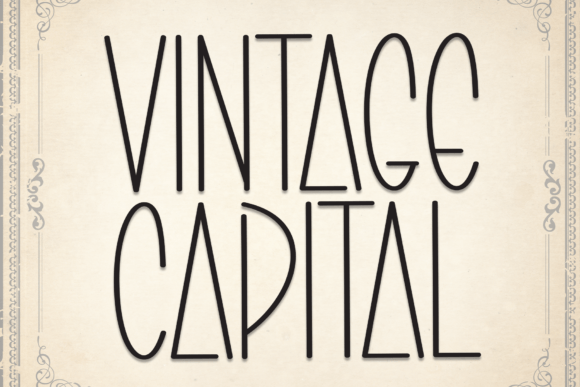
There’s a certain moment in the design process when everything clicks — when you’ve found the right typeface to anchor your layout. That was the case for me recently while redesigning a digital lifestyle magazine cover. I needed something bold, expressive, yet readable enough to carry the publication's identity without overwhelming the reader. That’s when I tested Vintage Capital, a tall, bold display font with a classic, retro style. It immediately stood out, not just for its visual character but for how it supported the editorial mood and content structure I was aiming to achieve.
Vintage Capital for Magazine Covers and Bold Branding
In the world of editorial design, the cover is the first impression — and often the most crucial one. For this project, I wanted a font that could convey sophistication and nostalgia simultaneously. Vintage Capital delivered exactly that. Its strong, clean lines offer a clarity that makes it perfect for grabbing attention in titles and headlines, even at smaller sizes. The font’s height and width give it an almost architectural presence, which works beautifully on covers where space might be limited but impact is key.
I used it for the main title and paired it with a more subdued serif font for the tagline. The contrast between the two helped establish a clear visual hierarchy, making the headline pop while keeping the supporting text grounded. This kind of pairing is common in premium font work, especially when building brand identity through typography. Vintage Capital didn’t just look good; it felt like part of the story the publication wanted to tell.
Using Vintage Capital in Blog Headers and Article Titles
After experimenting with Vintage Capital on the magazine cover, I decided to test it in blog headers for a redesign project. The blog focused on vintage fashion and mid-century home décor, so the retro vibe of the font was a natural fit. What impressed me was how well it translated from print to screen. Even at 36px on mobile devices, the font maintained its readability thanks to its generous x-height and open apertures.
Its use in article titles brought a sense of gravitas to each post. Readers instantly recognized the theme through the font’s personality — it felt curated, intentional. In one instance, I used it for a feature titled “The Timeless Elegance of Mid-Century Interiors,” and the response from the editorial team was overwhelmingly positive. They noted how the font seemed to echo the era they were writing about, subtly reinforcing the content’s message.
Vintage Capital in Newsletter Graphics and Pull Quotes
One of the more unexpected uses of Vintage Capital came in a newsletter graphic for a wellness brand. We were looking for a way to highlight key quotes from their latest issue, and the font’s tall proportions made it ideal for creating striking pull quotes. Unlike many other display fonts, which can become too busy or hard to read in such contexts, Vintage Capital offered a balance of formality and warmth.
The strong vertical rhythm helped the pull quote stand apart from the body text, guiding the eye naturally across the page. It also worked surprisingly well as a decorative accent in sidebars and section headings, adding a touch of personality without distracting from the main content. Just be sure to check if the font includes stylistic alternates or ligatures — those little details can elevate your design assets significantly.
Font Pairing Tips for Vintage Capital in Editorial Layouts
When using Vintage Capital in any editorial layout, font pairing becomes essential. Because it’s a display font, it needs a more neutral companion for body copy. I recommend pairing it with a clean sans serif or a traditional serif font depending on the tone of the piece. For example, in a recipe ebook I designed, I paired Vintage Capital with a minimalist sans serif for the ingredient lists and instructions, allowing the bold font to shine in chapter headings and feature titles.
It’s important to consider how the font will render across different platforms and file formats. I always preview it in both PDF exports and web-based layouts. In print materials, the retro aesthetic holds up well, but on dense paragraphs or small captions, it loses its charm and becomes difficult to read. This is why it’s best reserved for Fonts that are meant to make a statement rather than serve as long-form content.
Vintage Capital in Digital Magazines and Printable Guides
Another scenario where Vintage Capital proved its worth was in a digital magazine layout. The publication had a nostalgic tone, celebrating analog photography and film culture. Using Vintage Capital for the masthead and section titles created a cohesive visual thread throughout the issue. It wasn’t just a decorative choice — it became part of the publication’s identity, helping to distinguish it in a crowded market.
I also tried it in a printable planner for a client who wanted to evoke a timeless, elegant feel. The font worked beautifully in chapter openers and weekly headers. However, I avoided using it in daily task sections due to its Display characteristics — it’s simply too large and expressive for dense reading. Instead, it anchored the layout and provided a consistent mood, which is what we aimed for in creative font selection.
Readability Considerations for Screen and Print
While Vintage Capital is clearly optimized for attention-grabbing purposes, it still maintains a surprising level of readability in short bursts. This makes it suitable for titles, subtitles, and pull quotes in digital publications, newsletters, and course PDFs. But keep in mind, it’s not the best choice for extended reading or formal reports where legibility must come first.
On screens, especially mobile ones, the font benefits from high-resolution rendering. Avoid using it in anything under 24px unless you’re confident in the anti-aliasing of your platform. For print materials, ensure your printer supports high-quality output to preserve the font’s fine details and retro texture. Always review the included weights and styles before committing to a layout — having access to multiple options allows for greater flexibility in editorial design.
Commercial Use and Licensing for Vintage Capital
If you're considering using Vintage Capital in a commercial context — whether for a paid newsletter, a coaching workbook, or branded templates — it’s wise to verify its licensing terms. Some display fonts restrict use in digital downloads or mass distribution, so checking the fine print ensures your project stays compliant. I personally value transparency in commercial font licensing, especially when working with clients or selling digital products online.
Beyond licensing, also consider multilingual support and file formats. These factors can influence how easily you integrate the font into your workflow. Whether you're using Adobe InDesign for printables or Figma for social media graphics, knowing what you get with the font package is critical for maintaining consistency across all design assets.
Overall, Vintage Capital has earned a permanent place in my editorial toolkit. It’s not just another display font — it’s a thoughtful, refined choice that brings a unique voice to any publication. If your project needs a bold, retro-inspired typeface that supports readability and reinforces your content’s personality, give it a try. You might find, like I did, that it fits perfectly into your next layout masterpiece.