Happy Season Font: A Playful Typeface for Modern Web Design
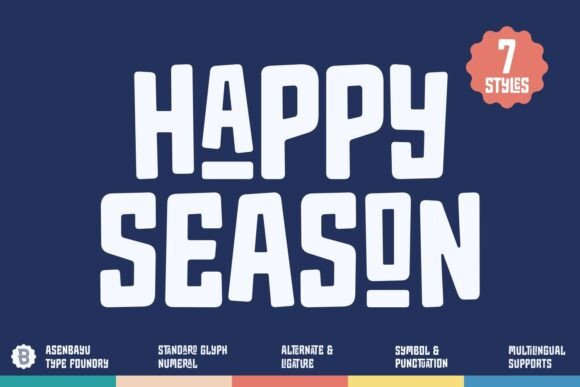
As a web designer or digital product creator, choosing the right typeface can significantly impact your project’s success. Happy Season is a display font that brings energy and approachability to any design. With its rounded edges and lively sans serif structure, this font family offers 7 distinct styles—perfect for building visual hierarchy and reinforcing brand tone in digital spaces.
Happy Season for Creative Portfolios and Brand-Focused Websites
When designing a creative portfolio site, the typography needs to reflect the personality of the work being showcased. Happy Season fits this need with its modern and playful aesthetic. The energetic curves and open letterforms make it ideal for headers and subheaders where you want to grab attention without overwhelming the reader. Whether you're building a personal brand or showcasing client projects, using Happy Season can help maintain a consistent and inviting online identity.
Its seven styles allow you to differentiate between primary headers, secondary titles, and even subtle decorative accents. This gives you the flexibility to create rhythm in your layout while keeping the overall look cohesive. For instance, you might use the bolder weights for hero sections and lighter ones for body text overlays in image-based content sections.
Using Happy Season in Landing Pages and Conversion-Focused Layouts
Landing pages demand clarity and a strong call-to-action. Happy Season supports these goals by offering an approachable yet professional appearance. Its friendly nature makes it well-suited for CTA buttons and section headings where you want to encourage engagement without sounding too formal.
For example, on a course sales page, using Happy Season for the main title and key benefits can evoke a sense of excitement and trust. Visitors are more likely to engage when the text feels warm and personable. Pairing it with a clean sans serif body font ensures readability while maintaining a fun and modern vibe across the entire page.
Optimizing Happy Season for Mobile and Responsive Typography
With mobile-first design becoming standard, it's essential to test how fonts perform at smaller sizes. Happy Season’s generous x-height and open apertures ensure legibility even on small screens. When using it in buttons or short phrases, keep line heights tight and avoid overusing all caps to preserve scannability and reduce cognitive load.
On dark backgrounds, opt for lighter weights of Happy Season to prevent the text from blending into the background. Conversely, on light or pastel themes, bolder weights will stand out effectively. Always consider contrast and spacing when applying this display font to responsive layouts to maintain usability across devices.
Happy Season in Online Stores and Product Banners
Online stores thrive on clear communication and emotional appeal. Happy Season adds a touch of warmth and playfulness that aligns well with lifestyle brands, boutique shops, and experience-driven e-commerce sites. It’s especially effective for banner headlines and promotional text where you want to create a welcoming first impression.
If you’re designing a holiday-themed sale landing page, Happy Season’s lively character can enhance the seasonal feel. Use it in header sections to highlight discounts or featured products, then pair it with a minimalist sans serif for pricing and product descriptions. This contrast helps guide the user’s eye through the page while reinforcing a joyful brand tone.
Creating Visual Hierarchy with Happy Season Styles
The seven styles in the Happy Season font family provide a powerful toolkit for structuring content visually. From bold statement headers to delicate supporting text, each weight and style plays a role in guiding users through your design. In editorial-style websites or blogs, you could use a heavier version of Happy Season for article titles and a lighter one for meta information like dates or categories.
This display font also works well in layered compositions—think of using it as an overlay on images or behind transparent elements. Just be cautious not to push the font too far into the background; its charm relies on visibility and clarity. Maintain a balance between creativity and functionality by testing each style in real-world contexts before finalizing your design.
Happy Season for Social Media Graphics and Digital Ads
In the fast-paced world of social media and digital advertising, capturing attention quickly is crucial. Happy Season’s dynamic form makes it a go-to choice for creating eye-catching headlines in Instagram posts, Facebook banners, or Google Ads. The font’s personality shines in short, punchy phrases that communicate joy and positivity.
When designing ads for a wellness brand or children’s product, the rounded edges and playful vibe of Happy Season can reinforce the message of comfort and care. Its versatility allows it to adapt to both animated banners and static graphics, making it a valuable addition to your design assets for cross-platform campaigns.
Font Pairing Strategies with Happy Season
While Happy Season excels as a display font, pairing it with complementary typefaces is key to a polished layout. For editorial or blog designs, consider matching it with a neutral sans serif such as Montserrat or Lato for body copy. This combination keeps the content readable while allowing the headline to pop with character.
If you're aiming for a more sophisticated feel, try combining Happy Season with a subtle serif font for subheadings or navigation labels. This creates a contrast that enhances visual interest and maintains professionalism in brand-focused web experiences. Avoid pairing it with other decorative fonts unless intentional for a maximalist aesthetic.
Happy Season for Logo Design and Branded Content
A strong brand identity often starts with the right logo font. Happy Season’s friendly and energetic design makes it suitable for logos in industries like food and beverage, fitness, or education. It conveys accessibility and enthusiasm, which are perfect for startups and small businesses looking to build community and trust.
When used in branding kits, Happy Season can unify website headers, email signatures, app icons, and marketing materials. The availability of multiple weights ensures consistency across platforms—from large hero banners to tiny microcopy in a mobile app. Make sure to check if the font includes alternates and multilingual support if your brand operates internationally.
Commercial Licensing Considerations for Web Projects
Before integrating Happy Season into your next client project or SaaS platform, verify its commercial licensing terms. Many premium fonts require specific licenses for use in websites, digital templates, and brand assets. Ensure that your license covers web embedding, online store usage, and multi-user access if you plan to share it within a team or agency setting.
Proper licensing not only protects your business but also ensures smooth deployment across browsers and devices. If you're using Happy Season for a high-traffic site or global audience, confirm that the webfont files include necessary language sets and performance optimizations like WOFF2 format.
Happy Season in App Screens and Interactive Interfaces
App designers often overlook the importance of typographic personality, but the right font can greatly influence user perception. Happy Season is particularly useful in app onboarding screens, feature highlights, and interactive buttons where a cheerful tone can improve user experience. Its soft curves reduce harshness, making it feel more intuitive and less rigid than traditional sans serifs.
However, since it’s a display font, use it sparingly in long-form interface text. Reserve it for UI elements like welcome messages, feature names, and promotional alerts. This way, you can leverage its visual appeal without compromising readability in functional areas of the app.
Real-World Applications of Happy Season in Web Design
- Creative Portfolio Sites: Use Happy Season for project titles and taglines to reflect a modern, approachable design philosophy.
- Boutique E-Commerce Stores: Apply it to hero sections and product banners to create a welcoming shopping environment.
- Coaching and Wellness Websites: Let its friendly vibe speak to visitors with positive messaging and engaging CTAs.
- Digital Course Sales Pages: Highlight course benefits and instructor names to build excitement and trust.
- SaaS Hero Titles and Feature Sections: Bring a fresh, modern edge to technical content with a human-centered twist.
Each of these applications demonstrates how Happy Season can elevate the user experience while staying true to a brand’s voice. Whether you're working on a new app screen or redesigning a website, the font’s versatility ensures it can fit into various roles without losing its core identity.
Happy Season for Fun and Festive Brand Experiences
Seasonal campaigns, event promotions, and themed websites benefit immensely from a font like Happy Season. Its name alone suggests a connection to celebration and joy, which can be leveraged creatively during holidays, launches, or special announcements. The font doesn’t just look good—it communicates emotion and intention clearly.
Consider using Happy Season in a summer collection launch or a winter festival landing page. Its lively curves can transform a simple headline into a memorable brand moment. Just remember to adjust tracking and leading to maintain clarity, especially when layering it over photos or using it in tight grids.
Ensuring Readability in Dark Mode and Light Themes
With dark mode becoming increasingly popular, it's important to evaluate how Happy Season performs under different lighting conditions. The lighter weights may lose their definition against dark backgrounds, so always preview them in context. Adding a subtle stroke or shadow can help maintain visibility without altering the font’s natural charm.
Conversely, on light or bright themes, the bolder versions of Happy Season can command attention effectively. Test variations in different environments to ensure your design remains accessible and aesthetically balanced. Remember, the goal is to let the font do the talking—without forcing it into scenarios where it can't read clearly.
Why Happy Season Stands Out in Display Fonts
Among the many display fonts available today, Happy Season distinguishes itself with a unique blend of friendliness and modernity. Unlike overly stylized script fonts or rigid geometric sans serifs, it strikes a balance that feels both authentic and versatile. This makes it an excellent option for brands seeking to express optimism and innovation through typography.
Its 7 styles give you enough variation to create depth in your layouts without needing multiple font families. You can confidently use it across hero sections, sidebars, infographics, and more—all while maintaining a unified brand tone. As a result, Happy Season is not just another display font; it’s a strategic design element that contributes to better user engagement and stronger brand recognition.
Final Tips for Integrating Happy Season into Your Workflow
When incorporating Happy Season into your next project, start by identifying where its personality will have the most impact. Think about the brand’s message, the audience’s expectations, and the platform’s requirements. Then, test the font in actual layouts—not just in isolation. Observe how it behaves at different sizes, in various colors, and across different screen resolutions.
Also, explore the included file formats to ensure compatibility with your CSS frameworks and CMS tools. If you're building custom web components or reusable templates, having access to WOFF2 files is essential for optimal loading times and performance. Lastly, don’t forget to review any restrictions in the font’s license—especially if you're deploying it on a client site or within a larger brand ecosystem.
By thoughtfully implementing Happy Season into your web design projects, you can create digital experiences that feel both modern and warm. This display font isn’t just about looks—it’s about crafting a connection between your brand and your audience through thoughtful typography.