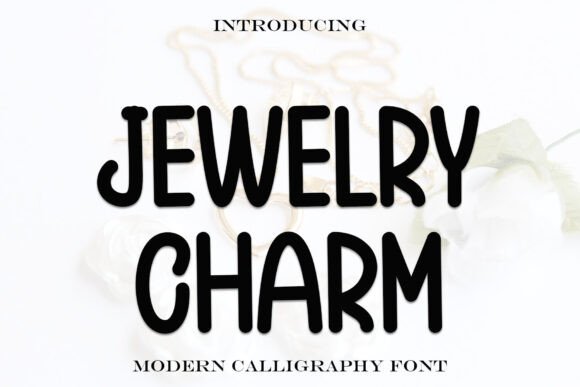
Jewelry Charm Font: A Playful Handwritten Display Typeface for Creative Projects
I was deep into a local artisanal bakery branding project when I opened up my brand board and needed something that felt warm, approachable, and just a little bit whimsical. The client wanted their identity to scream “handmade,” but with enough polish to stand out in both print and digital formats. That’s when I first tried Jewelry Charm, a playful handwritten display font. From the moment I saw it on screen, I knew this wasn’t your average script or decorative typeface—it had a natural rhythm and a stylish flair that made it feel like it belonged in a real-world design context.
Jewelry Charm for Logo Design and Brand Identity
As a designer who regularly works on logo drafts, I appreciate when a font brings personality without sacrificing clarity. Jewelry Charm is one of those rare display fonts that can be used as a headline in a logo while still feeling cohesive across supporting visual elements. I tested it against other premium fonts in the same category—script fonts, modern typography options—and found that Jewelry Charm stood out for its balance between playfulness and professionalism. It doesn’t lean too heavily into cursive or overly stylized characters, which makes it versatile for different applications within the brand identity system.
In the case of the bakery project, using Jewelry Charm in the logo helped reinforce the idea of a handcrafted experience. When paired with a clean sans serif for body text, the contrast brought a nice dynamic to the brand board. The key takeaway here is that Jewelry Charm shines best when used as an accent or primary logo font in projects where a personal touch matters most.
Jewelry Charm in Packaging Mockups and Product Labels
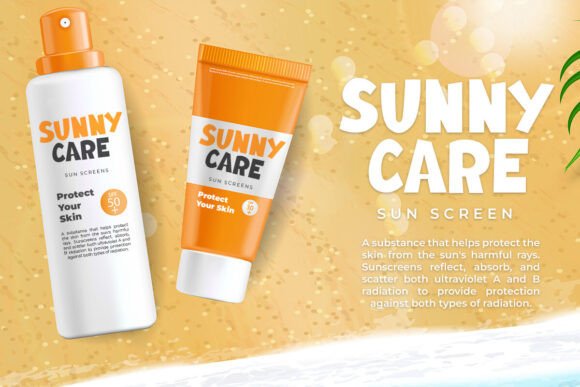
I next placed Jewelry Charm on a packaging mockup for the bakery’s signature loaf of bread. The font added a charming, almost artisanal quality to the label. Its unique character shapes and subtle variations in stroke width gave it a hand-drawn authenticity that really popped. But what impressed me most was how it held up at different sizes. On larger labels, it looked elegant and expressive. In smaller contexts, like a tagline or secondary detail, it still retained enough legibility to be effective—though not so much that it should be used for dense information.
This makes it perfect for boutique packaging, handmade product lines, or any creative studio looking to add a bespoke feel to their merchandise. If you're working on something like a jewelry line, a stationery collection, or even a small-batch candle brand, Jewelry Charm could be exactly the kind of font you need to elevate your designs beyond generic templates.
Testing Jewelry Charm on Business Cards and Print Materials
Business cards are where a lot of designers test their fonts under pressure—small scale, high readability expectations. I used Jewelry Charm for the main title of the card, paired with a minimalist sans serif for contact details. At 8pt size, the characters were still clear enough to read, though I’d caution against pushing them too small. This font isn’t built for long paragraphs; it's a display font through and through.
On printed materials like flyers and posters, Jewelry Charm performed admirably. It worked especially well for short phrases and headlines. For example, using it for a tagline like “Baked with Love” on a poster added a sense of warmth and sincerity. Just remember: always preview how it looks in print before finalizing your layout. Some handwritten fonts don’t translate well from screen to paper, but Jewelry Charm handled it with grace.
Jewelry Charm for Social Media Layouts and Web Headers
With the rise of influencer marketing and content-driven branding, having a font that stands out on social media is essential. I used Jewelry Charm on a series of Instagram post mockups for the bakery and found that it brought a fresh, organic energy to each layout. Whether it was part of a carousel ad or a story header, it caught attention quickly and aligned perfectly with the brand’s voice.
For web design, I placed it in the hero section of a homepage mockup. It looked great in large format, drawing users in with its friendly yet polished vibe. However, when I tried using it for navigation menus or subheadings, it started to lose some of its effectiveness. Again, this reinforces that Jewelry Charm is best suited for display purposes—headlines, titles, and short impactful statements—rather than extended body copy or formal websites.
Font Pairing Ideas with Jewelry Charm
One of the things I love about display fonts is how they can complement a wide range of styles. With Jewelry Charm, the right pairings can enhance its appeal and maintain visual harmony. Here are a few combinations I’ve used successfully:
- Serif Font: A classic serif font can offer contrast and formality, balancing Jewelry Charm’s casual nature. Think of using it for body text while letting Jewelry Charm handle the headlines.
- Sans Serif Font: A geometric or minimalist sans serif works well for creating a clean and modern look alongside Jewelry Charm’s more fluid style.
- Script Font: If you’re going all-in on a handwritten aesthetic, pairing Jewelry Charm with another script font (like a calligraphy-style type) can create a layered and engaging typographic hierarchy.
Just be sure to review the included styles if available. While the base font is strong, additional weights or alternates might give you more flexibility depending on your needs.
When Not to Use Jewelry Charm
Despite its strengths, there are definitely scenarios where Jewelry Charm may not be the best choice. Avoid using it in long blocks of text or in environments requiring strict formality, such as legal documents or corporate reports. It also doesn’t perform well in very small sizes, so stick to using it for display typography rather than fine print.
If you’re designing a website with a lot of textual content or working on a business with a more traditional, conservative tone, you’ll want to consider other options. Jewelry Charm is more of a mood booster—great for adding charm, but not the go-to for everything.
Practical Tips for Using Jewelry Charm in Real Projects
Before committing to Jewelry Charm in a client project, I recommend doing a quick test run. Try it on a few different platforms: a logo draft, a packaging label, and a social media graphic. See how it holds up in color, contrast, and spacing. You might be surprised by how differently it behaves in various contexts.
Also, take note of the file formats and webfont availability. Depending on your workflow, you might need specific versions for Adobe apps, CSS integration, or use in print-on-demand systems. Make sure to check whether the font supports the languages you need, especially if you're targeting international markets.
And finally, always review commercial font licensing. If you plan to use Jewelry Charm in client work, especially for branding assets, templates, or digital products, confirm that the license allows for those uses. As a professional, staying compliant is non-negotiable.
Why Jewelry Charm Feels Like a Natural Choice
There’s something about Jewelry Charm that just clicks. It feels less like a font and more like a signature—a personal mark left behind by someone who cares about aesthetics and expression. That’s why it fits so naturally into creative fonts categories, especially for display typography. It’s not trying too hard to be fancy or over-the-top trendy. Instead, it offers a genuine, approachable look that can help brands connect emotionally with their audience.
Whether you're a brand designer crafting a new identity or a small business owner building your own visual toolkit, Jewelry Charm is a font worth considering. It brings a stylish and natural touch to invitations, logos, greeting cards, and more. And in today’s design world, where authenticity is king, that’s a big plus.
Give it a try in your next project. You might just find that it’s the missing piece you didn’t know you needed.