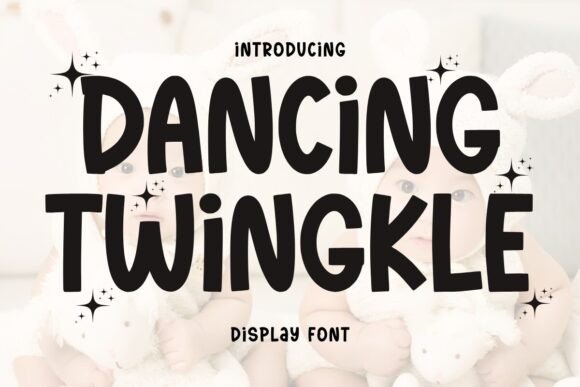
Dancing Twinkle Font for Editorial Design
There’s a quiet moment in every design project when the right font can make all the difference. I was recently working on the header redesign for a digital lifestyle blog, and after testing several display fonts, I landed on Dancing Twinkle. It wasn’t just the visual flair that caught my eye—it was how effortlessly it conveyed elegance while maintaining bold presence. As someone who regularly works with Fonts to shape the mood of publications, I know that Display typefaces often struggle to balance style and readability. But Dancing Twinkle manages both with grace.
Using Dancing Twinkle for Magazine Covers and Article Titles
In editorial design, especially for magazines or digital features, the cover is the first impression. When I used Dancing Twinkle for an article title about seasonal travel inspiration, it immediately set a tone of sophistication and warmth. The characters have a rhythmic flow—each letter seems to dance across the line, which gives it a unique charm not commonly found in other Display Fonts.
Its boldness makes it ideal for grabbing attention without overwhelming the layout. I paired it with a clean sans serif body font to ensure the text remained legible while letting the title shine. This kind of font pairing is essential in creating a strong visual hierarchy that guides the reader from the headline into the content.
Dancing Twinkle in Digital Magazines and Newsletter Headers
When building a newsletter graphic for a wellness brand, I wanted something that felt both modern and personal. Dancing Twinkle brought exactly that mood. Its distinct personality helped reinforce the brand identity as approachable yet refined. In this case, the font worked best for headers and pull quotes rather than dense paragraphs, which aligns with its nature as a Display typeface.
What stood out most was how versatile it felt in different contexts. From short headlines to longer feature titles, it maintained a consistent voice. Whether used in a print magazine or a mobile-optimized digital edition, the Font adapted well, showing excellent clarity at various sizes. That adaptability is key for anyone working across platforms, ensuring your publication looks polished wherever it appears.
Creative Uses of Dancing Twinkle in Recipe Ebooks and Wedding Guides
I’ve also experimented with Dancing Twinkle in more niche editorial projects, like a recipe ebook for a small cooking brand. For chapter openers and section headings, it added a touch of whimsy that matched the playful yet elegant aesthetic of the book. Readers might not read the entire heading, but they notice the style—and that subtle detail can elevate the whole experience.
A similar effect came through when using it for a wedding guide. The font’s delicate curves contrasted nicely with bolder sans serifs used in the body text, creating a harmonious balance between formality and creativity. It didn’t scream “luxury,” but it whispered it in a way that felt authentic. That’s what makes Dancing Twinkle such a great choice for Fonts that need to support a specific editorial mood without overpowering it.
Why Dancing Twinkle Fits Well in Lifestyle Blog Redesigns
Lifestyle blogs are often about storytelling, and Dancing Twinkle enhances that narrative quality. I used it in the header of a redesign for a travel and culture blog, and the feedback was overwhelmingly positive. Readers commented that the new look felt fresh and inviting, which is exactly what you want in a blog aiming to build a loyal audience.
The Font’s rhythm made it easy to use for multiple sections: main navigation, post titles, and even decorative accents in sidebars. Because it’s a Display typeface, it doesn’t hold up well in long-form reading, but in the right spots, it adds character and helps structure the page visually.
Testing Dancing Twinkle in Printables and Course PDFs
Another area where Dancing Twinkle shone was in printable planners and course PDFs. These aren’t always seen as high-design spaces, but they benefit greatly from a thoughtful typographic choice. I used it for chapter openers and section dividers in a self-care workbook, and it gave the document a sense of care and intentionality.
One thing I noticed is that it needs proper spacing and leading when used alongside body copy. While it’s not suited for running text, it does work beautifully for emphasis—think pull quotes, featured blocks, or callout boxes. The inclusion of alternates and ligatures made it feel custom-tailored, adding depth to each layout without requiring extra effort.
For those considering commercial use, it’s worth checking the licensing details before incorporating Dancing Twinkle into paid newsletters, client materials, or digital downloads. Many premium Fonts require extended licenses for certain uses, and knowing these upfront ensures your project stays compliant and professional.
Readability and Practicality in Real Projects
Despite its bold and beautiful appearance, Dancing Twinkle remains surprisingly readable—even at smaller sizes. However, it’s still best reserved for Display purposes rather than body text. I tested it in a few different scenarios: on screen, in print, and in mobile layouts. On larger screens, it looked stunning, but when viewed on a phone, I had to increase the tracking slightly to maintain clarity.
If you’re looking for a Font that supports content structure while keeping things visually engaging, Dancing Twinkle fits the bill. It’s not overly complex, but it has enough variation in strokes and forms to add interest without becoming distracting. This is especially important for readers scanning through digital content quickly.
Pairing Dancing Twinkle with Other Fonts for Stronger Brand Identity
As with any Display Font, context matters. To create a cohesive brand identity, I recommend pairing Dancing Twinkle with a more neutral serif or sans serif. For example, a soft Caslon or Georgia can provide a warm, readable contrast, while something like Helvetica Neue keeps the design clean and modern.
This kind of font pairing is crucial for editorial designers. A bold typeface like Dancing Twinkle should anchor the design, not dominate it. By balancing it with simpler supporting fonts, you ensure that the message remains clear while the branding feels intentional and stylish.
What to Avoid When Using Dancing Twinkle
While Dancing Twinkle is incredibly expressive, it’s not the best choice for every part of a publication. I found that using it in body copy led to fatigue, especially in long paragraphs. It’s too ornate for dense text, so it’s better left for decorative elements or short bursts of information.
Small captions and footnotes also lost their effectiveness when styled in Dancing Twinkle. If you’re using it for Fonts in formal reports or academic-style publications, consider avoiding it altogether. It belongs in the realm of creative typography, where style and storytelling matter most.
Final Thoughts on Dancing Twinkle in Editorial Layouts
After integrating Dancing Twinkle into a range of editorial designs—from digital newsletters to printable worksheets—I’m confident in recommending it for anyone working on Display typography. It brings a level of refinement that’s rare among Fonts in its category, making it perfect for lifestyle content, event guides, and branded assets.
Whether you're crafting a course PDF or designing a digital magazine, this Font can help define your publication’s identity. Just remember to pair it wisely and use it strategically to maintain readability and visual harmony. And if you ever find yourself stuck choosing the right Display Font for your next project, give Dancing Twinkle a try—you might just fall in love with its timeless style.