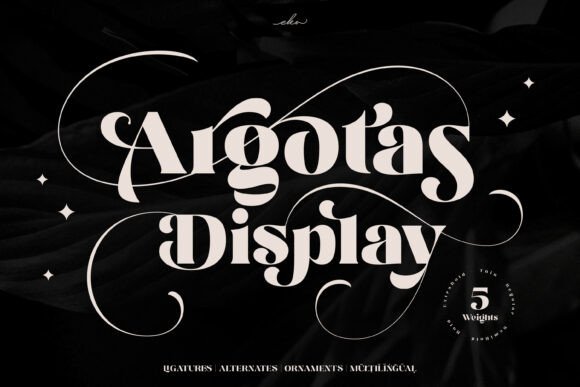
Market Research Font for Polished Web Design Projects
I was recently working on a redesign for a boutique online store when I stumbled upon the Market Research font. As a UI designer, I’m always on the lookout for display fonts that feel both professional and unique. The moment I saw Market Research in action—especially how it rendered across different screen sizes—I knew it had potential. Its elegant curves and subtle contrast gave it just the right amount of personality without being over the top.
Testing Market Research in a Hero Section for a Creative Portfolio
I first tested Market Research in the hero section of a creative portfolio homepage. The client wanted something modern but with a touch of sophistication to reflect their brand identity. I replaced the default sans serif with Market Research and immediately noticed how it elevated the visual hierarchy. It’s a display font, so it works best at larger sizes, which is perfect for headlines and titles. What stood out was how legible it remained even at smaller sizes—ideal for subheadings or short taglines.
When previewing the mobile layout, I was impressed by how clean and readable the font still felt. Too often, decorative fonts lose clarity on smaller screens, but Market Research maintained its elegance without sacrificing usability. This makes it a strong candidate for designers who want to balance style with function in web typography.
Using Market Research for Branding in an Online Coaching Website
A few weeks later, I worked on a coaching website for a wellness brand. The goal was to create a sense of trust and professionalism while also keeping the design approachable. I decided to test Market Research as the primary header font for all major sections: the navigation bar, section titles, and call-to-action buttons.
The result? A more cohesive and refined look. Market Research has a professional hand touch, which added warmth and authenticity to the site. It wasn’t too casual like a handwritten font, nor did it feel sterile like a generic sans serif. Instead, it struck the perfect balance between creativity and credibility. Visitors could scan the page easily, and the branding felt intentional rather than forced.
Why Market Research Works Well for Display Typography
As a display font, Market Research shines in high-impact areas. It’s not recommended for long-form body text, but it excels in headers, banners, and other attention-grabbing elements. Its x-height and letter spacing are well-tuned for digital environments, making it suitable for everything from landing pages to social media graphics.
I especially appreciated how versatile it was in different color schemes. Whether used against dark backgrounds or bright ones, the font retained its visual clarity. This adaptability made it easier to maintain consistency across multiple design assets without compromising readability.
Market Research for Product Landing Pages and Digital Campaigns
For a product launch campaign, I needed a font that would stand out and convey confidence. Market Research fit the bill perfectly. I used it in the main headline and paired it with a simple sans serif for body copy. This combination created a clear typographic hierarchy that guided users’ eyes through the content efficiently.
One thing I always check when using new fonts is their performance in image overlays. Market Research looked great on both light and dark imagery. Its slightly condensed width helped it fit neatly into banner designs without crowding the space. And because it’s optimized for digital use, there were no issues with file size or loading speed—two critical factors in UX and SEO.
Font Pairing Tips When Using Market Research
Choosing the right font pairing can make or break a design. Since Market Research is a premium display font with a soft yet structured feel, I found that it pairs beautifully with minimalist sans serifs like Montserrat or Open Sans. These combinations work particularly well for SaaS landing pages or course sales pages where you want to highlight key selling points without overwhelming the user.
If you're going for a more editorial or luxury aesthetic, consider matching it with a subtle serif font for secondary headings. This helps reinforce the brand's voice and ensures the design doesn’t become too busy. The key is to keep your supporting typefaces neutral so they don’t compete with Market Research’s distinctive character.
Market Research in Logo Text and Branded Web Content
I also experimented with using Market Research for logo text in a rebrand project for a small business owner. The logo became the centerpiece of the entire site, and the font’s elegant nature gave it a premium feel. It wasn’t too bold or dramatic, but it carried enough weight to make a lasting impression.
What’s great about this font is that it feels intentional. It’s not one of those overused script fonts that appear everywhere. Instead, Market Research adds a signature style to your brand kit. It helps differentiate the business visually while maintaining a professional tone—something every entrepreneur needs when building a digital presence.
Readability Considerations for Buttons and Short Phrases
While Market Research is excellent for headlines, I always recommend testing it for buttons and other short interactive elements. In most cases, it works well if kept under 16px and spaced appropriately. However, for micro-interactions like menu items or form labels, a simpler font is usually better to avoid cognitive load.
On the other hand, for call-to-action areas or promotional banners, Market Research adds a level of polish that can subtly influence user behavior. People tend to engage more with content that feels curated and professional, and this font definitely contributes to that effect.
Market Research in Blog Redesigns and Editorial Layouts
Recently, I updated the header styling for a blog redesign. The previous site used a basic Arial clone, which felt safe but lacked personality. Switching to Market Research transformed the front-end experience. Readers could instantly tell the blog was run by someone passionate and detail-oriented.
In editorial contexts, Market Research adds a layer of sophistication that aligns well with thought leadership content. It’s ideal for blog headers, article teasers, or category titles. Just be sure to limit its use to non-body text to maintain a clear structure and avoid fatigue.
Checking Font Styles and Commercial Licensing
Before finalizing any font choice, I always double-check the included styles and licensing options. Market Research offers a range of weights and alternates, giving designers flexibility without needing to switch fonts mid-project. It’s available in common file formats like TTF and WOFF, which means it’s easy to integrate into most CSS frameworks and CMS platforms.
Also, since it’s a commercial font, clients know they can confidently use it on websites, marketing materials, and even print collateral if supported. For entrepreneurs and creatives, this peace of mind is essential when investing in typography that represents their brand.
Market Research for Boutique Shops and E-Commerce Banners
Another real-world example came up during a Shopify theme customization. The shop sold handmade goods and needed a font that reflected craftsmanship and care. Market Research was a natural fit. I applied it to product banners, sale highlights, and featured collections, and the overall look became much more inviting and aligned with the brand’s values.
Its professional hand touch gave the site a human element, which is crucial in e-commerce. Customers connect more with brands that feel authentic, and typography plays a big role in that perception. Market Research helped elevate the boutique’s online presence without feeling gimmicky.
Mobile Readability and Responsive Typography
One concern I always have with display fonts is how they scale down on mobile devices. I tested Market Research extensively on responsive layouts and found that it held up well. Its open counters and consistent stroke widths prevented it from appearing cramped or hard to read on smaller screens.
It’s important to adjust font sizing accordingly. I typically set the base font at 14px and let Market Research take center stage at 28px and above. That way, the visual hierarchy remains intact, and the font maintains its impact across all device types.
Building Trust Through Typography Choices
Typography isn’t just about looks—it’s about psychology. Fonts can communicate authority, friendliness, or exclusivity. Market Research falls into the latter two categories. It conveys a sense of intentionality and care, which builds trust with visitors. On a course sales page, for instance, using this font in the title helped position the instructor as knowledgeable and reliable.
People might not consciously notice the font, but they’ll feel the difference. It’s part of what makes a polished online brand experience. If you’re looking to enhance the perceived value of your digital content or products, Market Research is a solid choice.
Ensuring Consistency in Your Digital Brand Kit
When designing a brand kit, consistency is key. Market Research allowed me to maintain a unified look across various touchpoints—from email templates to social media posts. Its versatility meant I could use it in logos, hero sections, and even in some supporting headers without losing cohesion.
That said, it’s important to define a clear system around it. I suggest limiting it to primary headers and using a complementary font for subheaders and body text. This keeps the design focused and prevents confusion in information scanning.
Final Thoughts on Integrating Market Research Into Your Next Project
After several projects, I’ve come to appreciate Market Research as a go-to option for display typography. It’s elegant without being elitist, unique without being unreadable, and professional with a personal touch. Whether you’re designing a portfolio homepage, a product landing page, or a branded campaign, this font adds a layer of refinement that’s hard to ignore.
If you’re a web designer or digital creator looking to build a stronger brand experience, consider adding Market Research to your toolkit. It’s not just another font—it’s a strategic choice that enhances both aesthetics and functionality in your designs.