Photo January Font Review: A Sleek Handwritten Typeface for Modern Branding
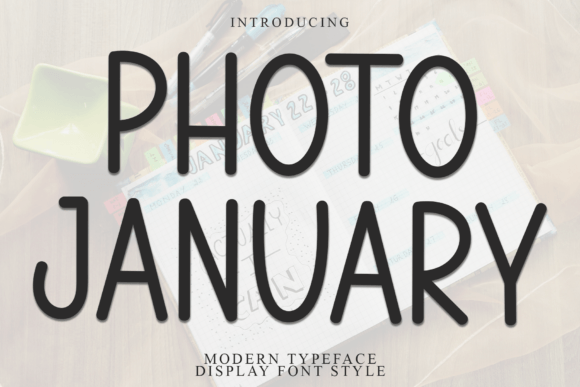
I was designing a brand identity for a local artisanal bakery, and after spending hours scrolling through display fonts, I finally landed on Photo January. It wasn’t just the tall, handwritten structure that caught my eye—it was how effortlessly it balanced modernity with warmth. As a designer who’s worked with dozens of fonts in logo design, social media layouts, and packaging mockups, I can say Photo January stands out as a versatile and expressive typeface that fits right into today's creative landscape.
Photo January in Logo Design for Creative Businesses
In the early stages of the bakery project, I needed a font that felt handcrafted but still professional. Photo January, being a tall and clean handwritten font, brought exactly that balance. When I placed it on a logo draft next to some more traditional serif options, the contrast made the modern typography of Photo January pop. The unique letterforms gave the logo a personal touch without sacrificing clarity—perfect for a small business wanting to stand out while staying legible from a distance.
I tested it at various sizes on a storefront sign mockup, and even at 48pt, it maintained its elegance. Unlike many script or decorative fonts, which can become too loose or illegible when scaled up, Photo January held its shape and rhythm well. That makes it an excellent choice for logos, especially for brands in the food, fashion, or lifestyle niches where a human feel is essential.
Photo January for Packaging and Product Labels
Next, I moved onto product labels for the bakery’s signature items like croissants and scones. Here, Photo January really shined. Its sleek lines and artistic flair added a sense of craftsmanship to each label. Whether printed on kraft paper tags or used in digital mockups for branded boxes, the font never lost its charm. The tall character structure also helped create visual hierarchy quickly—important details like “freshly baked daily” stood out naturally when paired with this display font.
One thing I noticed was that it didn’t work as well for longer ingredient lists or body text. But that’s not what it’s built for. If you’re looking for a supporting typeface in smaller sizes, consider using a sans serif or serif companion font. Still, for short taglines, product names, and accents, Photo January delivers a bold yet refined presence.
Handwritten Fonts and Brand Perception
Handwritten fonts often carry a lot of weight when it comes to brand perception. They signal authenticity, creativity, and approachability. Photo January nails this vibe. It doesn’t lean into the overly casual or messy look that many handwritten fonts do; instead, it offers a structured yet fluid style. This subtle control gives your brand identity a polished edge while maintaining the personal connection that handwritten styles are known for.
For the bakery’s branding, I wanted to convey both quality and community. Using Photo January in the main name helped bridge that gap between artistry and professionalism. It’s the kind of font that feels like it was crafted by someone passionate about their craft—which is exactly what the client aimed to represent.
Using Photo January in Social Media and Web Design
On social media graphics, Photo January became a go-to for Instagram posts and Facebook banners. The tall structure filled hero areas beautifully, and the uniqueness of the letterforms helped each post catch attention. It paired well with minimalist layouts and allowed me to play with spacing and alignment to highlight key messages.
When applying it to a website header, I found that it works best at larger sizes with enough padding around it. The sleek modern style of Photo January complements flat design aesthetics and photo-heavy landing pages. However, I wouldn’t use it for navigation menus or body copy. It’s definitely a display font, so treat it accordingly in web design scenarios.
Font Pairing Suggestions with Photo January
If you're going to build a full brand system with Photo January, choosing the right companions is key. For editorial content like blogs or menus, a clean sans serif like Montserrat or Lato serves as a great supporting font. The contrast between the organic flow of Photo January and the geometric precision of a sans serif keeps things dynamic but readable.
- Sans Serif Pairing: Use for body text or captions to keep the layout grounded.
- Script Pairing: Avoid pairing with other scripts unless you want to emphasize a specific artistic element.
- Display Font Strategy: Let Photo January be the showstopper. Pair it with simple shapes to avoid visual clutter.
For a more premium look, try a serif font like Playfair Display for subheadings or taglines. This combination adds depth and sophistication to the overall brand identity without overshadowing the main headline.
Photo January in Business Cards and Print Materials
Printing the brand board and business cards was the final step in the project. Photo January looked stunning on high-quality matte cardstock. The clean lines translated well in print, and the tall characters gave the business card a distinctive vertical rhythm. I used it for the name and tagline, then switched to a bolder sans serif for contact info to ensure readability.
It’s worth noting that because of its display nature, Photo January needs to be carefully tested at small sizes before committing to print. While it holds up reasonably well in limited space, anything denser than a short phrase might start to lose clarity. Always zoom in during proofing and check how it looks in real-world conditions.
Commercial Licensing Considerations
Before wrapping up the bakery project, I made sure to review the commercial licensing for Photo January. It’s crucial to understand whether the font allows usage in client work, packaging, merchandise, or web environments. Many free or open-source fonts have restrictions, so if you plan to use Photo January in any of these contexts, double-check the license terms to avoid legal issues down the line.
Some designers overlook this step, but knowing whether a font is suitable for commercial use is part of being a responsible brand designer. It also helps when pitching to clients—they’ll appreciate the professionalism and attention to detail.
When Not to Use Photo January
Despite all the positives, there are clear limitations to Photo January. It’s not ideal for long paragraphs or dense text blocks. In one test, I tried using it for a product description on a flyer, and it ended up feeling disjointed and hard to read. Stick to headlines, titles, and short phrases where its personality can shine without overwhelming the viewer.
Also, if your brand has a formal or corporate tone, this handwritten font may not align with your visual language. It’s perfect for indie shops, creative studios, and lifestyle brands but could clash with a more traditional aesthetic.
Testing Photo January Before Finalizing a Project
Here’s a tip I’ve learned over years of working with premium fonts: always test Photo January in multiple formats before locking it in. Place it on a mockup of your shop signage, see how it looks in a digital ad, or try it on a sample product label. How it performs in context matters more than how it looks alone.
You can also export a few variations of your logo or branding assets using different weights (if available) and background colors to assess its adaptability. Remember, a great display font should work across platforms without losing its essence.
Photo January and Audience Engagement
The most telling result came from user feedback on the bakery’s new branding. Clients and customers mentioned how the logo and packaging felt inviting and genuine. That’s the power of a well-chosen typeface. Photo January isn’t just a font—it’s a mood setter. It communicates care, intention, and creativity, all of which are critical in engaging an audience emotionally.
Its modern twist on handwriting also appeals to younger demographics without alienating older ones. That broad appeal is rare among handwritten fonts, making Photo January a smart choice for businesses targeting a wide age range or diverse market segments.
Final Notes on Typographic Flexibility
While I didn’t need to use every alternate or ligature included in Photo January, the variety was appreciated. It offered enough stylistic flexibility to tweak the look depending on the asset—whether it was a rustic wooden sign or a sleek digital banner. And since it’s a Fonts category offering, it’s easy to integrate into design tools like Adobe Illustrator, Photoshop, or Figma.
As for file formats, I confirmed that it supports standard TTF and OTF files, which means it’s compatible with most software and platforms. There’s no mention of a webfont version here, so if you’re building a site, make sure the font can be embedded legally.
All in all, Photo January is a standout display font that brings a modern, personal feel to branding projects. From the homepage hero section to the back of a product label, it maintains its character and contributes to a cohesive brand identity. Just remember to pair it wisely, test it thoroughly, and confirm its licensing for your intended use. If you're in the market for a handwritten Fonts option that feels fresh and functional, Photo January is a strong contender worth considering.