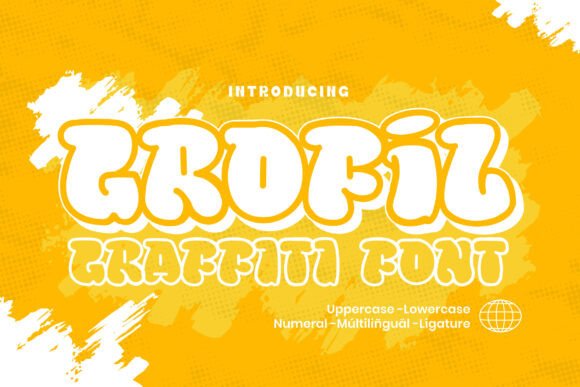
Using the Grofil Font to Elevate Your Web Design
I was working on a creative portfolio website for a new digital artist, and I needed something that screamed energy, individuality, and urban flair. That’s when I discovered Grofil, a graffiti font with throw-up style elements. As a designer who values both aesthetics and function, I wanted to see how this display font would hold up in real-world use—especially in headers and hero sections where it can make or break the visual impact.
Grofil for Hero Sections and Bold Brand Statements
The first place I tested Grofil was in the hero section of the site. The client wanted their name to stand out immediately, so I dropped the font into the headline. It was a no-brainer—the bold, spray can-inspired strokes gave the page a playful yet edgy feel. Throw-Up Style fonts like Grofil are great for making strong brand impressions, especially when you're aiming for a youthful, modern audience.
One thing I always check is how the font looks at different sizes. On mobile screens, Grofil still carried its weight surprisingly well. While it's not ideal for body copy, using it sparingly for key phrases or taglines made the content more engaging without sacrificing readability. For designers considering grofil for branding, this is an important factor—your typeface needs to work across all devices.
Grofil as a Display Font in Online Shop Headers
Lately, I've been helping small business owners revamp their online stores, and typography plays a big role in how customers perceive the brand. When I tried Grofil for an online boutique selling streetwear-inspired accessories, the response was immediate. The wildstyle elements brought a sense of authenticity and attitude to the brand identity, which felt exactly right for the target demographic.
Display fonts are often used in shop banners, product headlines, and promotional blocks. Grofil worked beautifully over image overlays, especially when paired with high-contrast colors. The hand-drawn texture added a layer of depth that flat design couldn't achieve. Just be careful with background placement—lighter tones or gradients helped the text stay legible while keeping the graffiti vibe intact.
Testing Grofil in Call-to-Action Buttons
For CTA buttons, I usually go with something clean and easy to read. But this project had a unique angle: the client wanted to challenge expectations and create a memorable shopping experience. I experimented with using Grofil in short CTA phrases like “Shop Now” and “Limited Stock.” The playful pop-like lines caught attention without being too busy, and the boldness encouraged interaction.
However, I did notice that using Grofil for longer button texts could reduce clarity. If your call-to-action needs to be scannable and concise, this font is perfect. Just avoid cramming too many words into one line. For web designers looking to add some edge to their grofil for landing pages, keep it punchy and purposeful.
Pairing Grofil With Other Fonts for Balance
Working with decorative display fonts requires smart pairing to maintain hierarchy and usability. In this case, I paired Grofil with a simple sans serif for body copy. The contrast between the wildstyle header and clean supporting text helped guide users through the layout naturally. You want your grofil for branding to be eye-catching, but the rest of the site should remain accessible and professional.
If you're going for a more editorial or minimal look, consider balancing Grofil with a serif font for subheadings or blog titles. This adds a touch of sophistication to what might otherwise feel too raw. Always test font combinations in your browser before finalizing them—it’s surprising how much color and spacing affect the outcome.
Grofil in Logo Design and Brand Assets
I also used Grofil in the logo mockup for the same boutique store. The mix of street art and pop-like lines gave the logo a fresh, contemporary feel. Since it’s a display font, it works best in logos that are large and centered. Smaller text versions lost some of the character, so I recommended using it only in primary branding materials like the site header, social media avatars, and print collateral.
When choosing grofil for branding, remember to evaluate the file formats and weights available. Does it have enough variation to support multiple brand assets? Can it be used commercially without licensing issues? These are critical questions for any serious designer or business owner.
Real Use Case: Grofil in a Digital Campaign Landing Page
A few weeks ago, I was tasked with redesigning a campaign landing page for a local muralist. The goal was to attract younger audiences interested in urban culture and community art. I knew from the start that Grofil would be a great fit for the hero title and section headings. Its graffiti roots aligned perfectly with the theme, and the throw-up style gave the page a dynamic, almost interactive look.
I layered the font over a textured background photo of a city wall. To enhance readability, I adjusted the letter spacing slightly and applied a subtle drop shadow. The result was a visually striking header that didn’t compromise on clarity. For those exploring grofil for digital campaigns, think about how you can leverage its natural contrast and movement to draw attention without overwhelming the user.
Mobile Readability and Performance Tips
One concern I had was whether Grofil would perform well on smaller screens. After testing, I found that it holds up if used correctly. Avoid placing it in tiny text or long paragraphs. Instead, reserve it for headlines, feature titles, and accent phrases. Also, keep your layout breathing room in mind—don’t let the wildstyle elements crowd other UI components.
To ensure fast loading times, I confirmed that the font was available in optimized webfont formats. Choosing the right subset (like Latin only) and limiting the number of weights helped reduce load time without sacrificing design flexibility. This is essential for anyone using grofil for landing pages where speed can directly influence conversions.
Is Grofil Right for Your Project?
As a designer, I’m always cautious about using fonts that don’t serve the brand’s message. Grofil isn’t just a flashy option; it has personality and purpose. It’s perfect for projects where visual energy and creative expression are key. Think boutiques, streetwear brands, music sites, or even youth-oriented SaaS startups.
That said, it’s not a universal solution. If your brand leans toward minimalism or professionalism, a graffiti font might not align with your tone. But for the right niche, Grofil can become a signature element of your digital brand kit. Just make sure to use it intentionally and pair it with complementary fonts for balance.
Exploring Grofil in Blog Headers and Course Pages
I recently used Grofil in a blog redesign for a lifestyle brand targeting young creatives. The blog headers were transformed instantly—they felt more alive and connected to the reader’s interests. The same approach worked well for course sales pages, where the font helped emphasize catchy course titles and benefit-driven phrases.
What makes Grofil stand out is its ability to blend hand-drawn spontaneity with structured layout design. Whether you're building a digital brand kit or tweaking a product landing page, this display font offers a compelling way to express creativity without losing control over your design system.
Design Considerations Before Using Grofil
Before committing to Grofil for any project, take a moment to review what comes with it. Does it include alternates for stylistic variations? Are there multiple weights for different uses? How well does it handle accented characters or special symbols? These details matter, especially if you’re planning to use it globally or for multilingual content.
Also, confirm that the font supports commercial use. Many free graffiti fonts come with restrictions that limit their use in online stores or marketing materials. Grofil seems to be a solid choice for professional settings, but always double-check the licensing terms before deployment.
Lastly, test it in context. Drop it into your homepage, preview it on mobile, and see how it reacts with your color scheme and imagery. A font may look great in isolation, but it needs to integrate smoothly into the overall design flow. This is where the true value of a premium font shines—its adaptability and consistency across platforms.
Why Grofil Works Well in Short Phrases and Visual Hierarchy
In digital layouts, visual hierarchy is everything. Grofil’s bold structure and expressive strokes help establish clear focal points. I’ve found it particularly effective for section headings, taglines, and promotional banners. The font doesn’t shout, but it definitely commands attention.
Its playful nature also makes it a good candidate for grofil for event promotions or social media graphics. When paired with bright colors or dynamic animations, it becomes a powerful tool for storytelling and engagement. Just remember to use it with intention—this isn’t a font for every headline, but it’s perfect for strategic visual accents.
Final Thoughts on Typography Choices and Brand Impact
Choosing the right font is more than just picking something that looks cool. It’s about understanding your audience, your platform, and your message. Grofil checks all the boxes for a bold, throw-up style display font that brings street art into the digital space. It’s versatile enough to support a wide range of use cases—from logo design to blog headers—and stylish enough to leave a lasting impression.
So, if you’re a web designer or digital creator looking to spice up your next project, give Grofil a try. Test it in your hero sections, explore how it pairs with simpler fonts, and see how it affects your brand’s mood and messaging. Sometimes, the right typeface can turn a good design into a great one.